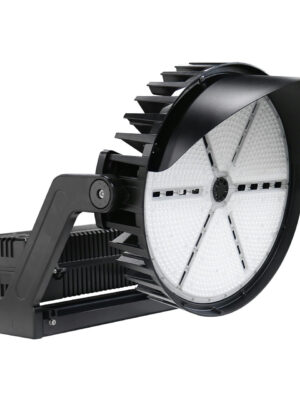
Lighting is essential in sports, ensuring safety, performance, and an engaging experience for players and fans alike. From local fields to professional arenas, high-quality illumination directly impacts visibility and gameplay. LED stadium field lights have transformed sports lighting by delivering brighter, more uniform illumination while reducing energy consumption. Modern sports light technology also enhances athlete visibility and broadcast quality, making it a superior alternative to traditional lighting systems.In this article, we will delve deeper into the benefits of LED-based lighting systems, explore how sports field light solutions differ from conventional options, and explain why sports stadium LED lighting is now the preferred choice for sports facilities worldwide.
The Evolution of Sports Lighting
Traditional stadium lighting systems relied heavily on metal halide or high-pressure sodium lamps. While these systems were once considered effective, they came with several drawbacks, such as slow warm-up times, inconsistent brightness, high energy consumption, and frequent maintenance requirements.The introduction of LED sports field lighting has transformed the industry. LEDs provide instant illumination, better light control, a longer lifespan, and significantly reduced operational costs. As sports venues increasingly prioritize sustainability and performance, LEDs have become the gold standard for both professional and amateur facilities.
Benefits of LED Stadium Lights
Improved Visibility and Uniformity
One of the most significant advantages of stadium lights powered by LED technology is superior visibility. LED stadium field lights deliver bright, consistent, and uniform illumination across the entire playing surface. This uniformity ensures that players can easily track the ball, judge distances accurately, and perform at their best without visual distractions.Unlike older lighting systems, modern sports stadium LED lighting is engineered to minimize glare and eliminate harsh shadows. This is especially important for fast-paced sports such as football, cricket, baseball, and tennis, where split-second decisions matter. Enhanced color rendering also ensures that team colors, field markings, and the ball appear more vivid, improving the viewing experience for spectators and broadcast audiences alike.
Energy Efficiency and Cost Savings
Energy efficiency is a major driving factor behind the widespread adoption of LED sports field lighting. Compared to traditional metal halide systems, LED lights can consume up to 80% less energy while delivering superior brightness.This dramatic reduction in energy consumption translates into substantial cost savings for stadium operators and sports facility managers. Additionally, sports light systems based on LED technology generate less heat, reducing cooling requirements and further lowering operational expenses.Another financial advantage is longevity. LED lights often last 50,000 to 100,000 hours, drastically reducing replacement and maintenance costs over time. For large venues that rely on powerful stadium lights, this long lifespan makes LEDs an economically sound investment.
Durability and Reliability
Sports venues are often exposed to harsh environmental conditions, including rain, wind, dust, and extreme temperatures. LED stadium field lights are specifically designed to withstand these challenges. Their robust construction makes them resistant to corrosion, moisture, and impact.In addition, LED fixtures are shock-resistant and vibration-tolerant, making them ideal for outdoor stadiums and high-activity sports fields. The reliability of sports field light systems ensure consistent performance with minimal downtime, even during high-profile events or long tournaments.
Customizable and Versatile Lighting Solutions
One of the standout features of sports stadium LED lighting is its flexibility. LED systems can be customized based on sport type, field size, and competition level. Adjustable beam angles, color temperatures, and brightness levels allow lighting designers to create optimal conditions for different sporting activities.Advanced control systems enable stadium operators to remotely manage stadium lights, schedule lighting scenes, and adjust intensity in real time. This adaptability is particularly useful for multi-purpose venues that host various sports, concerts, and community events.
Enhanced Safety and Player Performance
Proper lighting is not just about visibility; it’s also about safety. Inadequate illumination can lead to misjudged movements, collisions, and injuries. High-quality LED sports field lighting reduces these risks by providing consistent, flicker-free light that enhances depth perception and spatial awareness.For athletes, well-lit environments contribute to better reaction times and reduced eye strain. For referees and officials, clear visibility ensures accurate decision-making. For fans, superior lighting enhances immersion and enjoyment, whether watching live or on broadcast.
Environmental Sustainability
Sustainability has become a priority for modern sports facilities. Sports stadium LED lighting supports green initiatives by significantly reducing carbon emissions and energy waste. Unlike traditional lamps, LEDs do not contain harmful substances such as mercury, making them safer for the environment.Additionally, many sports light systems are compatible with renewable energy sources and smart grids, further enhancing their eco-friendly credentials. By switching to LED technology, stadiums can align with global sustainability goals while maintaining top-tier lighting performance.
Smart Lighting Controls and Automation for Sports Facilities
Modern LED sports field lighting systems go beyond illumination by incorporating intelligent control and automation features. Smart lighting controls allow facility managers to adjust brightness levels, schedule lighting operation, and create customized lighting scenes for different events or sports. This ensures optimal lighting performance while minimizing unnecessary energy usage.Advanced control systems also enable remote monitoring and real-time adjustments, making it easier to manage stadium lights across large venues. Features such as dimming, zoning, and automated on/off scheduling help extend fixture lifespan and reduce operational costs. By integrating smart controls, sports facilities can achieve greater efficiency, flexibility, and reliability while maintaining high-quality lighting standards.
Choosing the Right LED Lighting for Your Sports Facility
Selecting the right sports field light solution requires careful consideration of several factors, including field dimensions, sport type, competition standards, and budget. Professional lighting design ensures optimal placement and minimizes light spill, ensuring compliance with regulations while maximizing efficiency.Working with experienced lighting providers can help facility managers identify the most suitable LED stadium field lights for their specific needs, ensuring long-term performance and return on investment.
Not Exactly Sure What to Order?
If you have a list of items and are not exactly sure what to order, help is available. Simply share your requirements, and lighting experts can guide you through the selection process, ensuring you get the right sports stadium LED lighting products to complete your project efficiently and correctly.