

Solar Light Fixture Cost vs. Performance, and Why It Matters for Commercial and Residential Buyers
Most buyers assume a higher price tag on a solar light fixture means better performance, and a lower price means a worse product, which can make it confusing how to choose a solar light fixture. Neither assumption holds up once you look at what actually drives cost.
Solar light fixture cost depends on the battery, the LED chip quality, the panel size, and the housing rating, not the price sticker alone. Knowing how to choose a solar light fixture starts with separating price from the specs that determine performance, so you compare options on what matters.
Solar light fixture cost is driven by battery capacity, LED efficiency, and build quality, not by wattage or sticker price alone. This article helps buyers compare cost with actual performance and choose a solar fixture that fits their project’s lighting needs and budget.

Solar Fixture Pricing, Simply Explained
Learning how to choose a solar light fixture means understanding that its price reflects battery size, panel output, LED chip grade, and weather rating, not just its brand name or wattage.
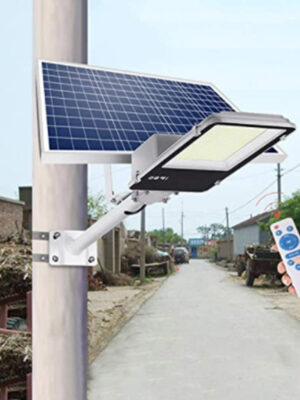
A solar light fixture typically costs more per unit than a comparable grid-powered LED fixture because it includes a photovoltaic panel, a rechargeable battery, and a charge controller in addition to the LED module.
Grid-powered LED fixtures skip these components and draw power directly, keeping upfront costs lower but tying them to ongoing electricity use.
LED technology is dramatically more efficient than the bulbs it replaced, which is part of why solar fixtures now deliver more usable light per charge (ENERGY STAR, The Light Bulb Revolution).
What Actually Drives the Price of a Solar Fixture
Four components set the price: battery capacity in amp-hours, panel wattage under standard test conditions, LED efficacy measured in lumens per watt, and the IP rating that determines weather resistance.
A fixture with a larger battery and a higher-efficacy LED chip will generally cost more because these components can affect runtime and light output.
How Cost and Performance Connect in Practice
Two fixtures at the same price point can perform very differently if one uses a higher lumens-per-watt LED chip. Wattage alone tells you how much power a fixture draws, not how bright it will be, so comparing fixtures on watts alone can lead you to overpay for weaker light output.
This distinction is becoming more important, not less: the U.S. Department of Energy has finalized new efficiency standards that raise the minimum requirement for common lightbulbs from 45 lumens per watt to more than 120 lumens per watt, reflecting how far LED efficacy has advanced.
Why Cost vs. Performance Matters Before You Buy
Part of learning how to choose a solar light fixture is recognizing that a fixture bought on price alone can lead to early battery failure, dimming output, and a bigger bill down the road.
The Real Cost of Choosing on Price Alone
A fixture that fails within one or two seasons can cost more in replacement labor and lost coverage than a fixture priced higher upfront.
LED lighting uses significantly less energy and lasts many times longer than the incandescent and halogen technology it replaced, which is part of why LED quality affects long-term cost as much as upfront price (U.S. Department of Energy, Consumer Guide to Energy-Efficient Lighting).
The same logic applies to solar fixtures: a unit with a weak battery or an unrated housing needs earlier replacement, even if its price looked attractive.
The Hidden Cost No Buying Guide Talks About
Most buying guides stop at lumens-per-watt math or a payback-period table. What they skip is whether a real testing standard ever checked the fixture’s stated performance numbers before the product reached the shelf.
Recognized certification programs require luminaires to meet defined performance and testing criteria before they can carry an efficiency rating (ENERGY STAR Luminaires V2.2 Specification).
Federal labeling rules require lighting manufacturers to disclose verified brightness, energy cost, and lifetime figures directly on packaging so buyers are not left guessing (FTC, Lighting Facts Label Requirements).
A fixture rated for a certain lumen output that has not been verified through appropriate testing carries a risk that the unit may not deliver the expected performance in the field.
Every fixture Affordable Lighting lists goes through in-house testing by a skilled team first, which is the safeguard most cost comparisons leave out entirely.
Common Misconceptions About Solar Fixture Cost
If you want to know how to choose a solar light fixture correctly, start by letting go of the idea that price alone tells you how a fixture will perform once installed.
Misconception 1: A Lower Price Always Means a Worse Fixture
A lower price can simply reflect a smaller battery sized correctly for a shorter nightly runtime need, not a lower-quality product. Matching battery size to your actual usage hours is what determines value, not the price tag by itself.
Misconception 2: A Higher Price Always Means Better Performance
A higher price can come from oversized components that exceed what your project needs, not superior engineering.
Federal regulation already requires manufacturers to disclose brightness, wattage, and lifetime data on covered lighting products, so specifications are meant to be checked, not assumed from price (Federal Register, Lighting Facts Label Final Rule).
Buyers investing in a lasting result should confirm the specifications fit the project instead of assuming price equals quality.
How Affordable Lighting Approaches Solar Fixture Cost and Performance
Part of learning how to choose a solar light fixture the right way is working with a supplier whose background and process you can actually verify.
Affordable Lighting is a family-founded LED lighting supply business, established in 1999, operating for over 25 years. That background shapes how the company approaches every cost and performance question buyers bring to it.
Confirming Specifications Before You Order
Buyers can confirm battery capacity, lumen output, and weather rating on any fixture before committing to a purchase, rather than relying on the price alone to judge quality. This step turns a guess into a decision grounded in the actual specification sheet.
Getting the Right Fixture Matched to Your Project
Buyers who are unsure which solar fixture fits their space, whether a parking lot, a sports field, or a driveway, can submit their project details through the Send Us Your List option and receive direct guidance on matching cost to the performance a specific project actually requires.
This can reduce the guesswork that leads buyers to either overpay for unneeded capacity or choose a fixture that does not meet their needs.
Frequently Asked Questions
Buyers researching how to choose a solar light fixture tend to ask the same handful of questions before making a final decision.
Q1. How much should a solar light fixture cost?
Cost varies by battery size, panel wattage, and LED efficacy, so a small driveway light and a commercial parking lot fixture will fall at very different price points. Comparing fixtures on their lumen output and battery capacity, rather than price alone, gives a clearer picture of value.
Q2. Do more expensive solar lights always last longer?
Not necessarily. A higher price can reflect oversized components rather than better engineering, so confirming the battery capacity and IP rating against your actual project needs matters more than the price alone.
Q3. Why do solar fixtures cost more than grid-powered LED fixtures?
Solar fixtures include a panel, battery, and charge controller that grid-powered fixtures do not need, which raises the upfront hardware cost even though it removes the need for a grid connection.
Q4. What should I check before buying a solar fixture based on cost?
Confirm the battery capacity in amp-hours, the LED efficacy in lumens per watt, and the IP weather rating before comparing prices. These three factors help determine how long the fixture will perform over time, which matters more than the sticker price by itself.
Q5. Can a lower-priced solar fixture still be a good value?
Yes, if its battery and panel size are correctly matched to your actual nightly runtime needs. A fixture that costs less because it fits a shorter use case appropriately can offer better value than an oversized, higher-priced unit.
Get the Right Fixture for Your Project
Now that you know how to choose a solar light fixture by weighing cost against real performance factors, rather than price alone, you can protect both your budget and your lighting results.
Affordable Lighting tests every fixture in-house before it goes up for sale, so you can compare the listed specifications with the product’s tested performance.
If you are unsure which fixture fits your project, submit your details through Send Us Your List for direct guidance, or view the solar lighting range to compare options today.
About author


Add comment